
The Best Business Tool Might Be the One You Build Yourself
A real-world look at how small businesses can save money and reduce workflow friction by building simple internal tools with AI instead of relying on expensive, bloated software subscriptions.
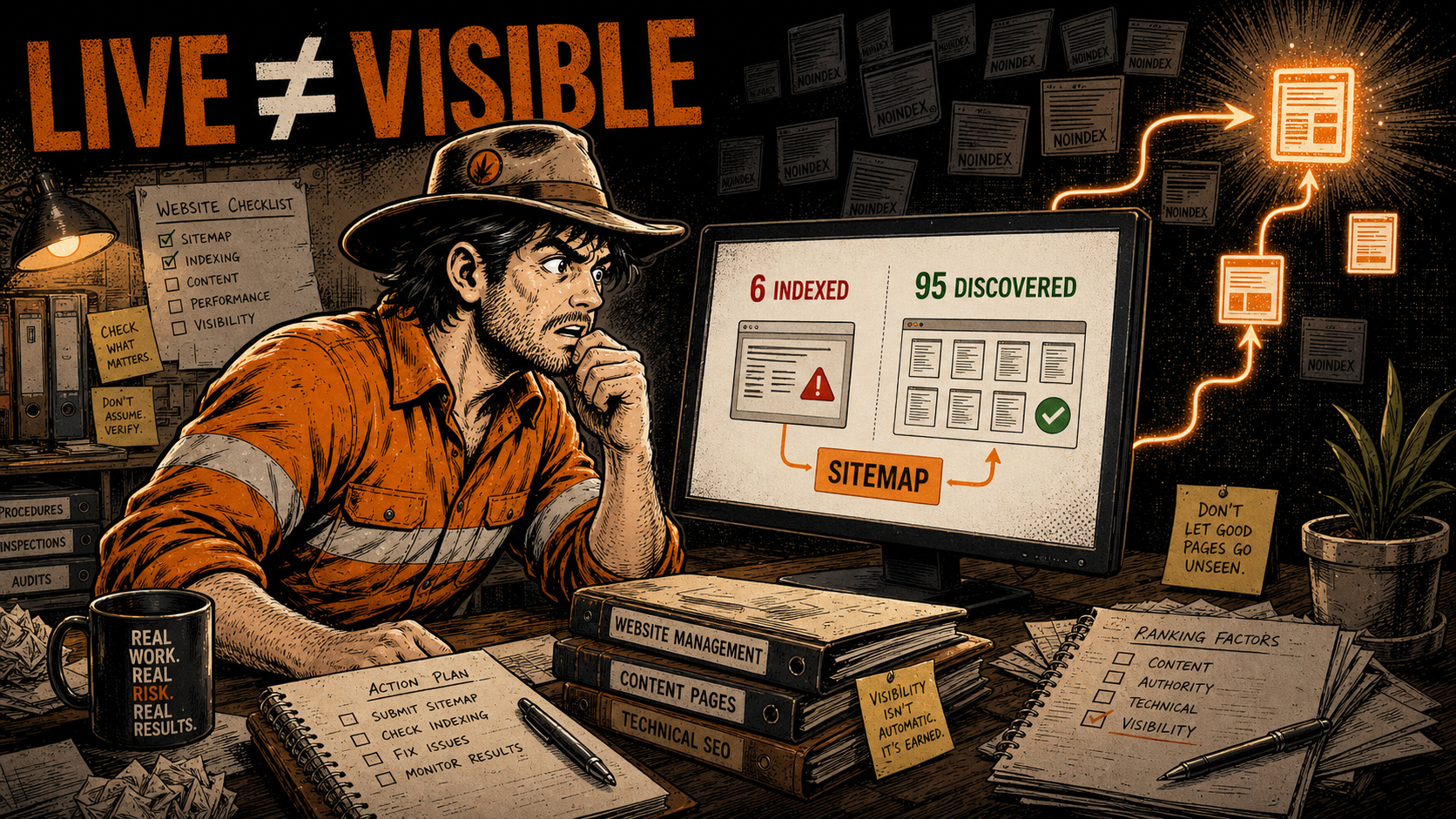
Your Website Might Be Invisible and You Wouldn’t Know It
Your website can be live, fully functional and packed with useful content and yet remain almost invisible online.
Here’s how a simple sitemap and indexing oversight left nearly 100 Papillon pages undiscovered, and what other small businesses should check.

Sony Is Deleting 500+ Movies People Thought They Owned. Your Business Might Be Making the Same Mistake!
Sony’s removal of 500+ previously purchased movies is a sharp reminder that access is not the same as ownership. The same risk exists for small businesses using AI tools, SaaS platforms and workflow automations. If your prompts, templates, data, workflows and business logic only live inside someone else’s system, you may not own the capability you think you are building. This article explains digital sovereignty for small businesses and why the practical rule should be simple: own the asset, rent the capability.

Why Voice Might Be the Most Underrated Way to Use AI
Typed prompts make people compress their thinking, and compressed thinking leads to generic AI outputs. Voice changes the input layer by making it faster and easier to give AI the context, judgement and intent it needs. This article explores why voice is not just a convenience feature, but a practical way to improve prompting, iteration and the quality of AI-assisted work.
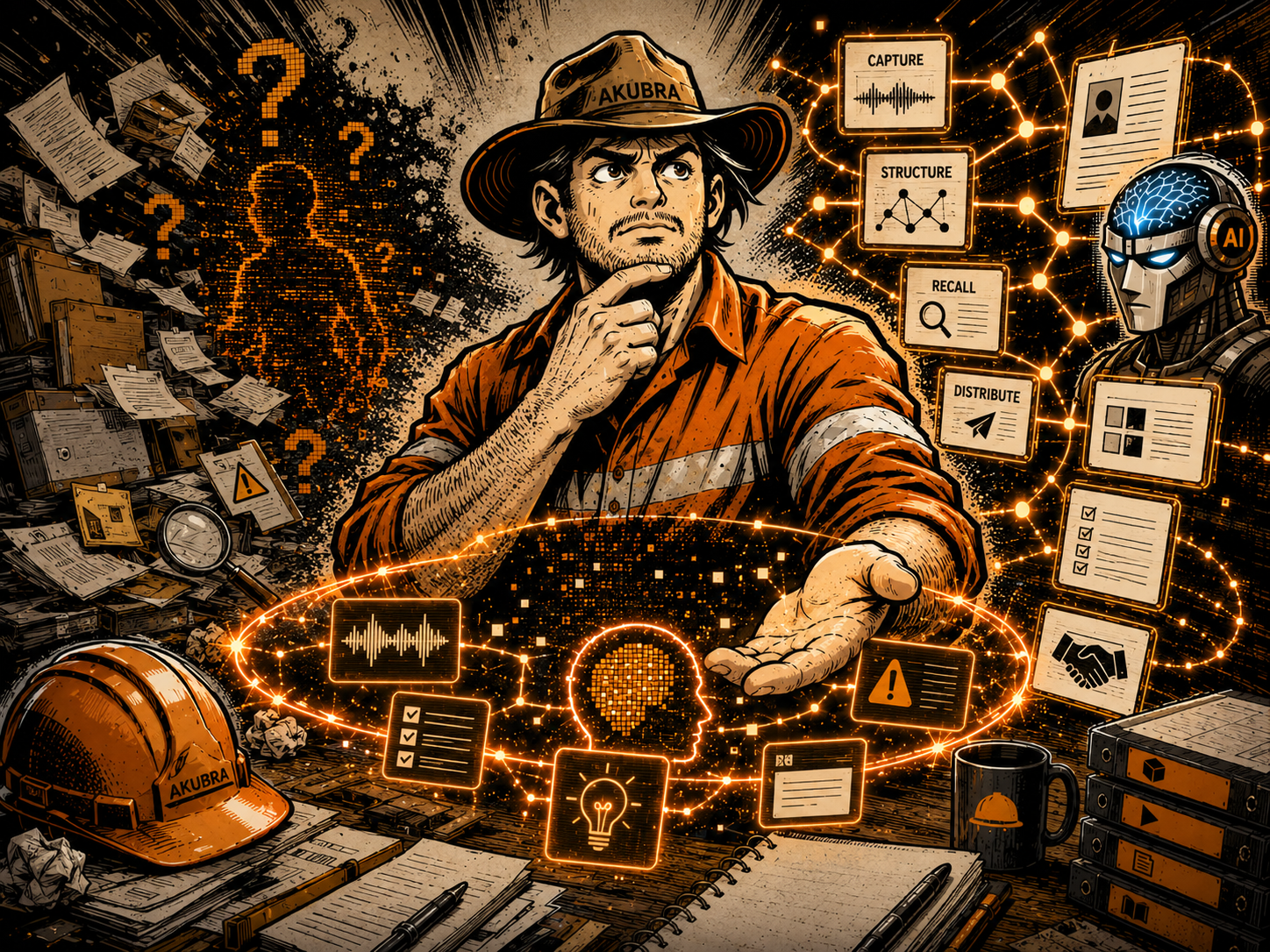
I Am My Own Bottleneck
I realised I was not short of experience, ideas, or useful material. The problem was capture and retrieval. Too much value still depended on me remembering the right thing at the right time: an old document, a risk register, a framework, a client example, a lesson learned, or an idea that had appeared briefly and then disappeared. Papillon Echoes started as a practical response to that bottleneck. It is a simple framework for capturing useful thoughts before they disappear, structuring them so they can be found again, and reusing them when they become valuable. For me, that means better recall, faster content development, stronger frameworks, and less time rebuilding work I had already done. For other small businesses, the same principle applies: experience only becomes a real business asset when it can be captured, retrieved, reused, and built on.
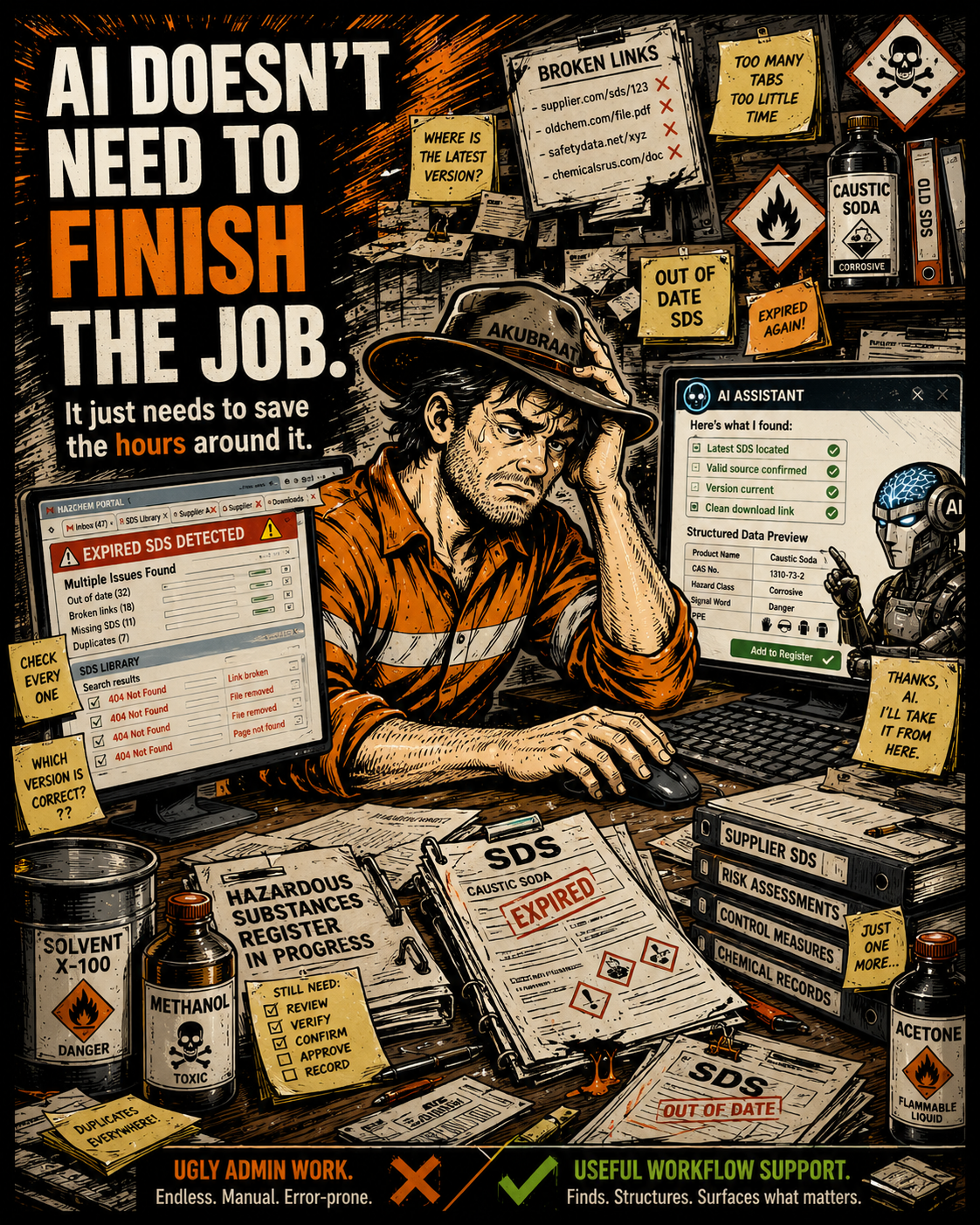
AI Inside Ugly Workflows: Part Two
A real-world hazardous substances register update showed where AI can create practical value without doing the whole job. In this example, AI helped turn messy site photos, broken SDS links, expired documents and manual search work into a more structured workflow, saving hours around the skilled review that still needed human judgement.
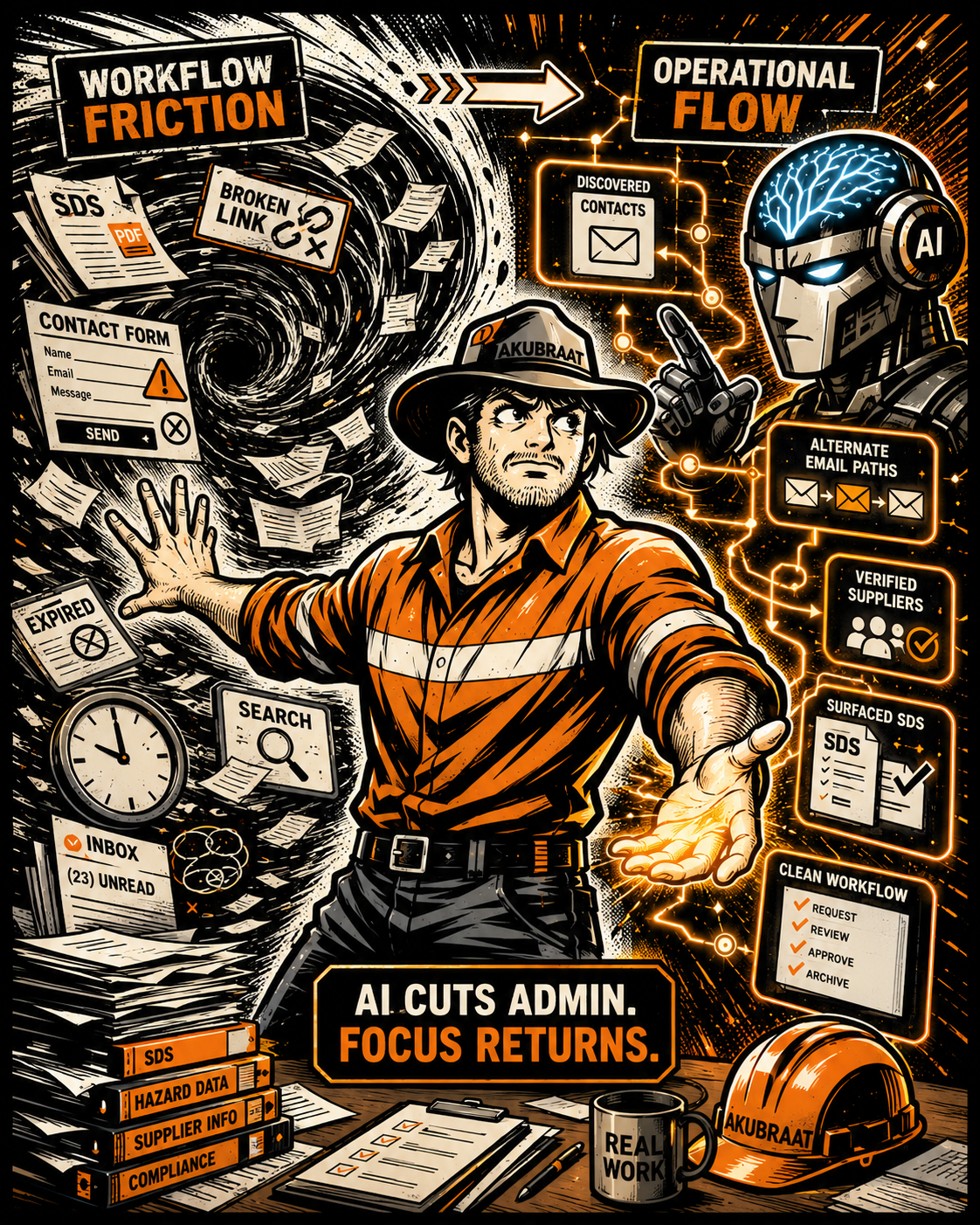
A Real-life Applied Example of AI to an Ugly Workflow
AI’s real value is often found in the boring parts of work: broken links, missing documents, failed contact forms and admin loops. This article explores how workflow augmentation can remove bottlenecks and return focus to the actual operational task.

Experience that lives in heads is a Liability
Most operational failures aren’t caused by missing procedures. They’re caused by organisations forgetting what experienced people already learned. A thought piece on institutional memory, schema and operational intelligence.

Why Experience Becomes More Valuable as AI Gets Better
For decades, speed and low-cost labour defined value. AI is breaking that model.
As execution becomes faster, cheaper, and abundant, organisations are no longer paying for output, they are paying for judgement.
This article explores why experience is becoming the new scarcity, how AI is reshaping workforce value, and why businesses that overlook their most experienced people may be creating risk rather than saving cost.
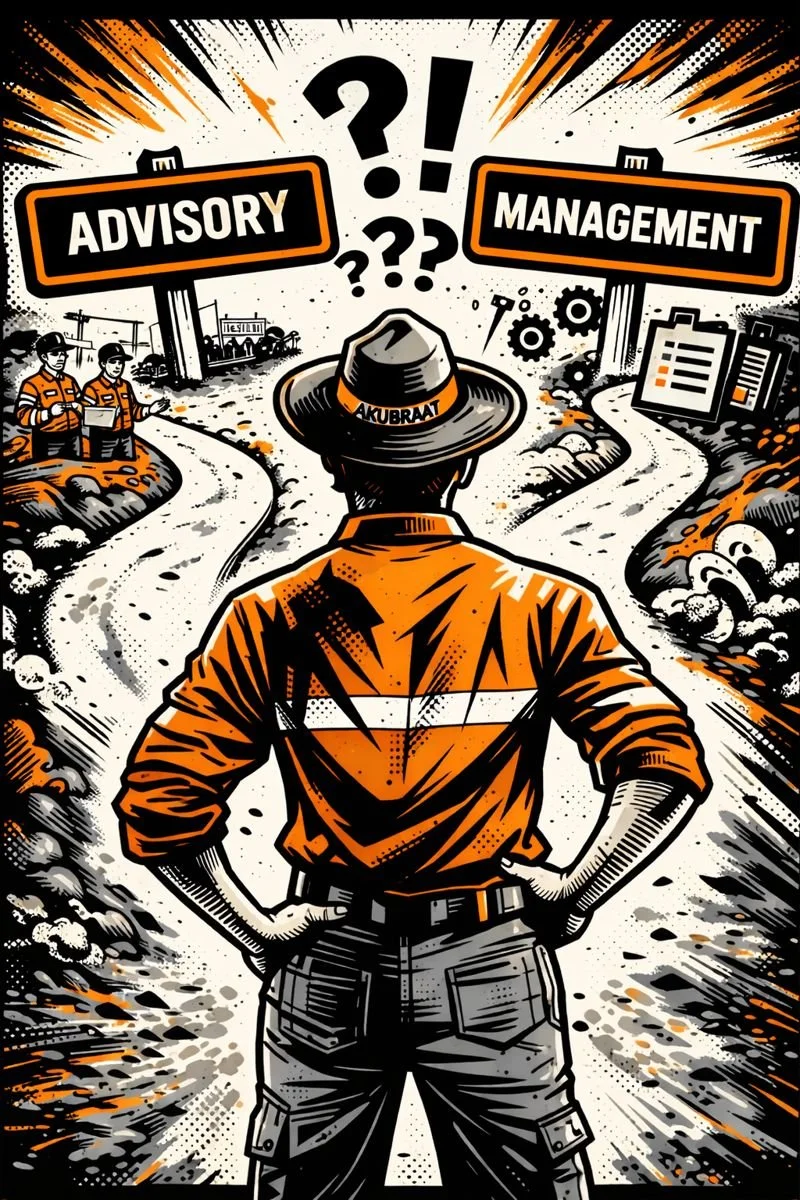
Fractional HSEQ Management: Why SMEs Need Management-Level Safety Judgement (Not Just Advice)
Fractional HSEQ Management exists to provide proportional, management-level oversight without the cost of a full-time HSEQ Manager.
Most construction SMEs don’t have a safety problem; they have a management gap.
What’s often labelled “safety work” is actually management-level judgement: system design, prioritisation, risk calibration, and long-term oversight. When that layer is missing, businesses drift into fragmented systems and reactive compliance.
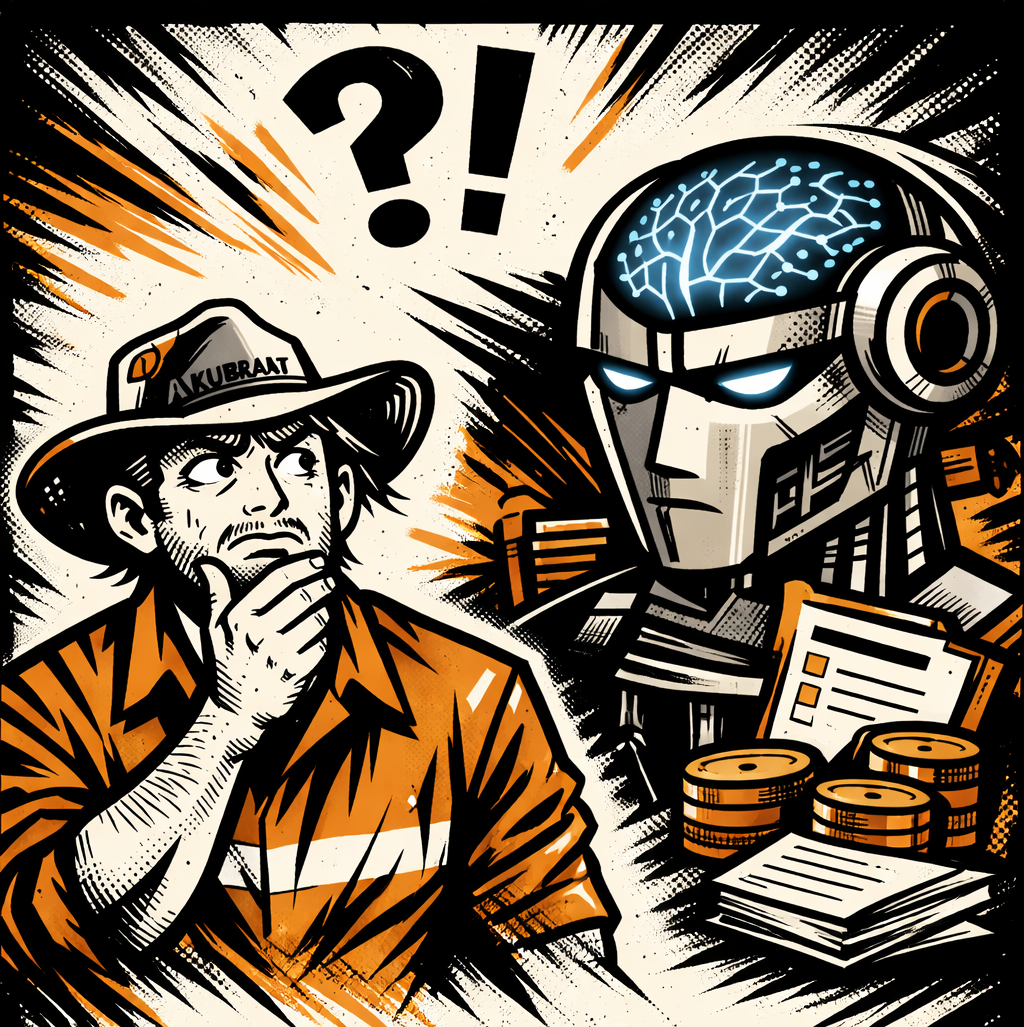
Why You Can’t Rely on AI Alone for Your HSEQ Systems
AI can generate SWMS, risk registers and HSEQ documentation in seconds. However, under WHS law, responsibility still sits with the business. Here’s why construction companies can’t rely on AI alone, and why human judgement remains critical.
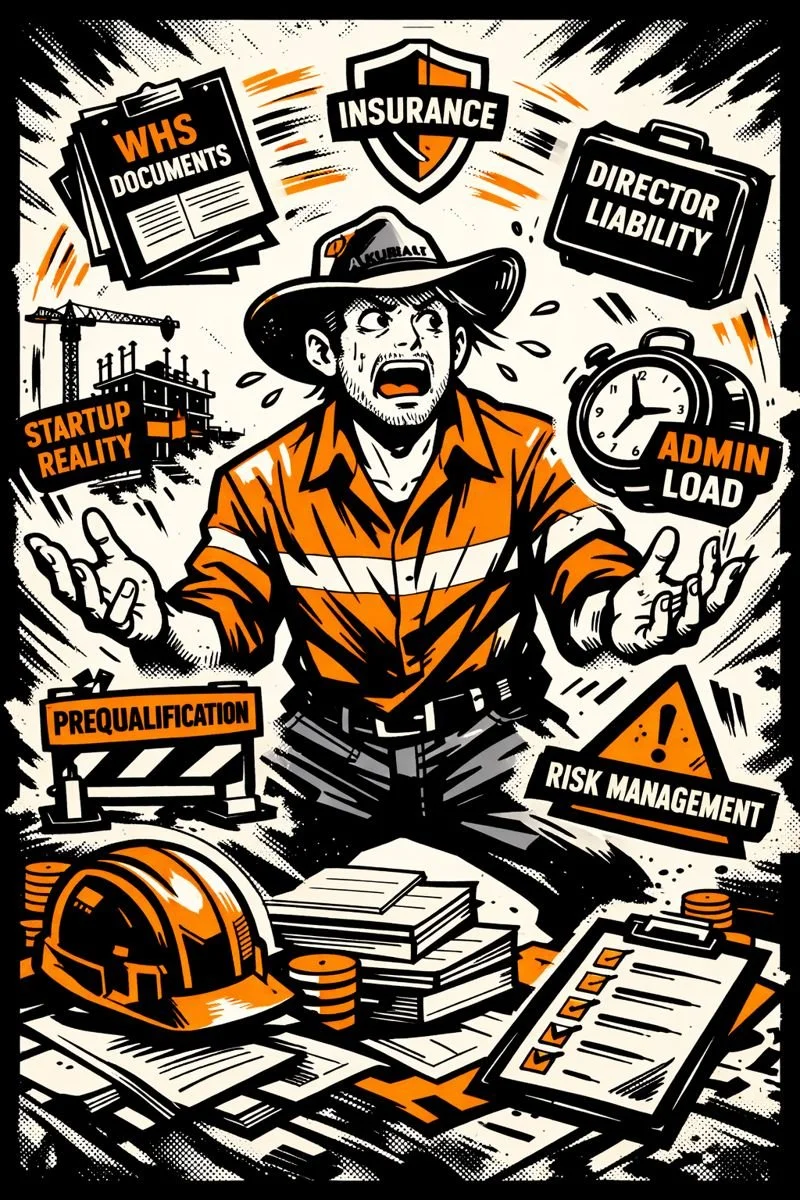
Why Starting a Construction Business Is Harder Than Anyone Admits
Starting a construction business looks simple on paper. In reality, the first real obstacle isn’t finding work… it’s actually everything that sits around the work.
This article breaks down why compliance is the first wall most new contractors hit, and how to approach it properly from the start.